


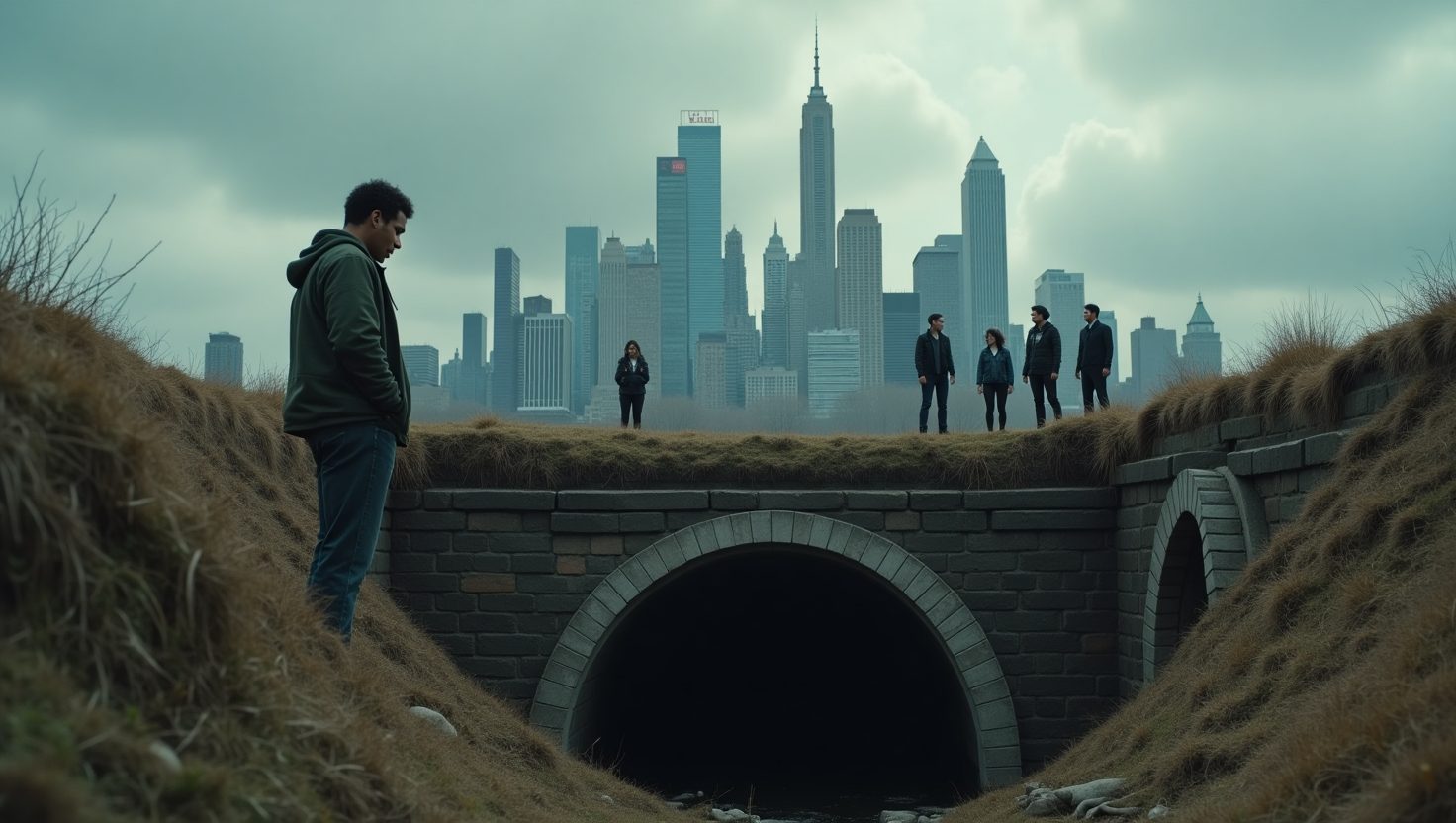
When Critical Infrastructure Meets Immature AI
The problem isn’t that AI will suddenly turn sentient and evil. It’s far more mundane – and dangerous. Francesca Boem from UCL puts it bluntly: “Vulnerabilities must be addressed at every phase – from design through to operation.” Translation? We’re installing complex AI systems without fully understanding how they’ll behave under stress. Consider National Grid’s experiments with AI for demand forecasting. Get it right, and we smooth out energy transitions. Get it wrong through rushed implementation, and you’ve got cascading blackouts during a winter freeze.
Last year’s incident at a European water treatment plant reveals the scale of risk. Hackers didn’t just breach the IT systems – they manipulated AI-driven chemical dosing controls through compromised sensor data. The result? Near-catastrophic equipment damage. As OT (operational technology) and IT networks converge, as Orange Cyberdefense’s Noel Chinokwetu warns, “The attack surface isn’t just expanding – it’s fundamentally changing shape.”
The Hallucination Problem No One’s Fixing
Here’s where it gets sci-fi-level weird. AI hallucinations – those bizarre confident errors we’ve seen in chatbots – could literally blow up power plants. Imagine a maintenance algorithm “hallucinating” that a turbine is operating normally while bearings melt from friction. Unlike human engineers, these systems don’t get hunches or nagging doubts.
Mind Foundry’s Nathan Korda suggests a terrifying parallel: “It’s like having a new junior engineer who’s brilliant but pathologically dishonest – they’ll give you precise answers even when completely wrong.” Remember the 2023 Chicago trading algorithm debacle? Multiply that risk by nuclear safety protocols.
Human Oversight Isn’t Optional – It’s Survival
The solution isn’t less AI, but smarter human-AI partnerships. Ulster University’s Kevin Curran points to air traffic control systems as a model: algorithms handle routine tracking, but humans verify every critical decision. Yet right now, over 60% of UK infrastructure operators admit to having no framework for human-algorithmic collaboration.
Best practice? Look to Japan’s “Soten” project in earthquake response AI. The systems predict infrastructure stresses post-quake, but every automated shutdown order gets routed through human teams holding physical abort switches. It’s not sexy, but it works.
Regulatory Sandboxes – Safe Testing or Russian Roulette?
The government’s £261,028 investment in the Office for Nuclear Regulation’s AI sandbox sounds promising. But let’s contextualise: that’s roughly the cost of a single junior developer for two years. Regulatory sandboxes should be Fort Knox-level secure testing environments. Without proper funding, we’re essentially letting companies test experimental AI on live infrastructure.
Richard Allmendinger from Alliance Manchester Business School cuts through the hype: “Current safeguards are like using bicycle locks on bank vaults – technically there, but woefully inadequate.”
The Road Ahead: Six Non-Negotiables
1. Separate the Hype from Engineering Reality: Just because an AI excels at chess doesn’t mean it should manage rail signals.
2. Mandate Explainability Standards: If an AI can’t explain its reasoning in a crisis, it shouldn’t be deployed.
3. Invest in Analog Fail-Safes: Dutch flood control systems combine AI predictions with physical surge barriers that humans can manually override.
4. Red Team Everything: Infrastructure AI needs constant ethical hacking – not just pre-deployment checks.
5. Re-Skill Workforce Strategically: The biggest risk isn’t job losses, but having no one who understands both AI and physical systems.
6. Update Liability Laws: When an AI-controlled dam fails, who’s liable – the developer, operator, or the algorithm itself?
Here’s the uncomfortable truth: The UK’s current approach to AI integration in critical infrastructure is like redesigning an airplane’s engines mid-flight. The Department for Science, Innovation and Technology’s AI whitepapers talk a good game about “pro-innovation regulation,” but innovation without safeguarding isn’t progress – it’s recklessness.
Will we look back in a decade praising prudent safeguards, or picking through the rubble of preventable disasters? The choice isn’t tomorrow’s problem – it’s being made in boardrooms and policy committees right now.
So – do we trust those decision-makers to get this right? And what’s your threshold for feeling safe when algorithms control the lights, trains, and nuclear cooling systems? Let’s hear your take – the comments are (metaphorically) electrified…
Source: In-depth analysis from New Civil Engineer on AI integration risks in CNI

