


AI in Performing Arts
Introduction
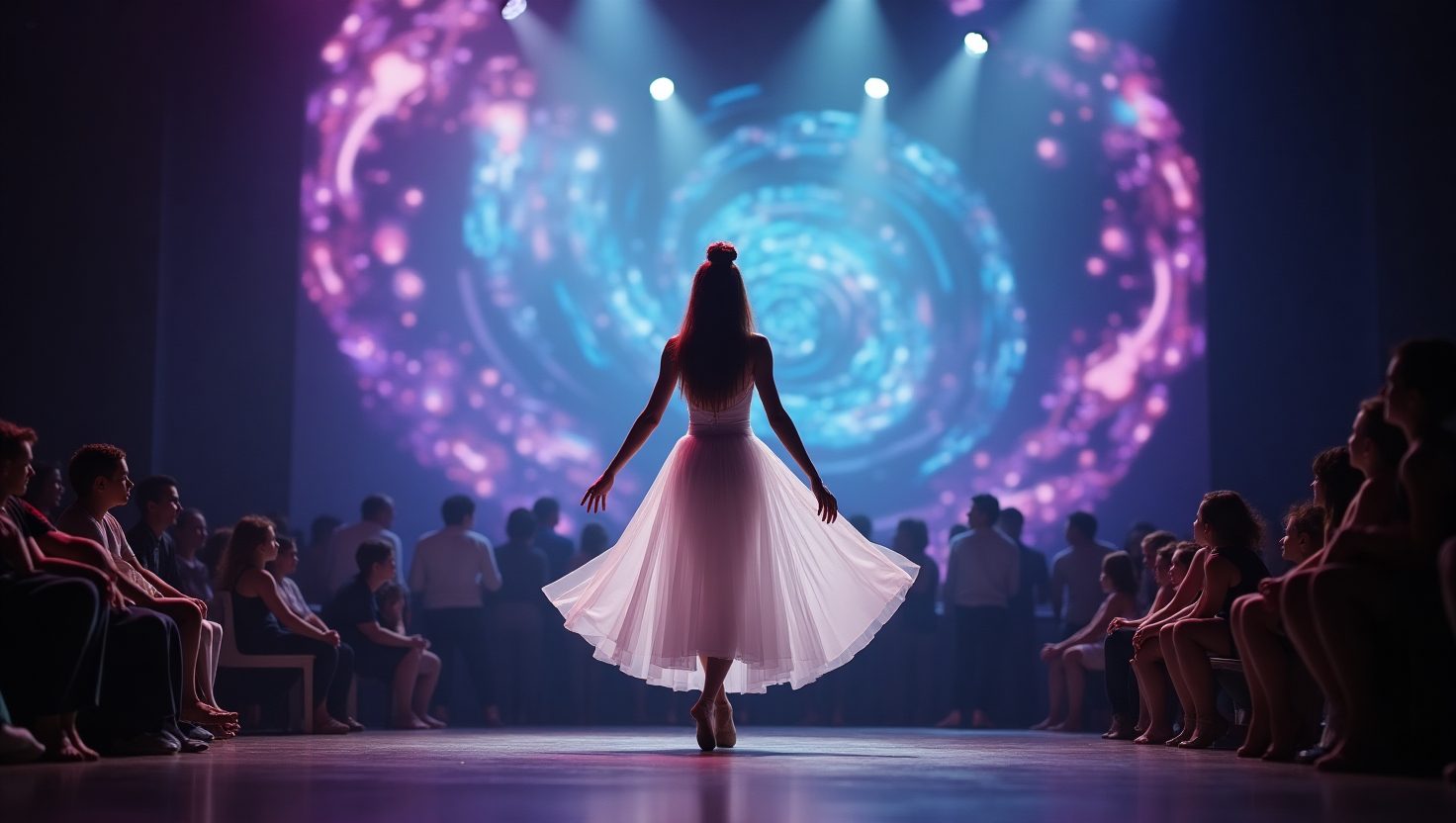
Picture this: a stage where a symphony of pixels dances alongside prima ballerinas, where playwrights seamlessly incorporate lines written by algorithms into their scripts, and where every seat in a theater offers a unique virtual reality experience. This is not the distant future; it’s the present reality at the intersection of AI in performing arts. The convergence of artificial intelligence with the age-old realm of performance art is not just a technological dabble—it’s a dramatic upheaval, one might dare say a cultural coup—reshaping how we conceive, create, and consume artistic performances. With the proliferation of AI-driven tools, an uncharted landscape of innovation beckons, challenging traditional norms and ushering in an era of unprecedented artistic collaboration.
Background
To fully grasp the seismic shifts AI incites in the arts, one must first retrace technology’s historical trajectory within these realms. From the rudimentary mechano-electric stage sets of the early 20th century to today’s intricate digital projections, technology in arts has always driven cultural innovation. The Collider Fellowship at Lincoln Center for the Performing Arts stands as a luminary of this innovation. By fostering an inclusive environment for artists to intertwine modern technologies like AI with their craft, the fellowship serves as a conduit for transformative live performances. Collaborations fostered here often echo into the wider arts community, setting trends that challenge artists to rethink norms and viewers to broaden their perspectives (source).
Trend
Today, the performing arts community is abuzz with a newfound techno-fervor. Artists are increasingly adopting AI alongside other leading-edge technologies like virtual reality to concoct immersive experiences that were once the domain of science fiction. Consider the groundbreaking projects by current Collider Fellows, such as those by Sam Rolfes and Cinthia Chen. Rolfes reimagines stage design as a mutable digital canvas, while Chen employs AI algorithms to compose music that resonates with the emotional cues of the audience. These endeavors exemplify a paradigm shift towards technological fluency in arts—a synergy that not only enhances the authenticity of performances but also amplifies artistic reach and audience engagement.
Insight
In conversations with trailblazers like Jordana Leigh, Lincoln Center’s vice president of programming, insights emerge on how technology is reshaping not just artists’ methodologies but also audience perceptions. Leigh articulates, \”Technology is catching up to their vision, versus their vision catching up to this technology,\” encapsulating the current era as one of artists leading technological transformations rather than being led by them (source). Projects today resemble intricate tapestries woven from threads of multiple disciplines, painting a collaborative mosaic that defies the siloed traditions of the past. These ventures are redefining the landscape of performance, coaxing the audience into active participants in the unfolding narrative.
Forecast
As we peer into the horizon of AI in performing arts, one cannot help but anticipate a future brimming with boundless possibilities and profound challenges. Continued innovation promises richer, more interactive experiences where art is not simply observed but lived. However, this trajectory demands robust support structures—ethical frameworks, educational pathways, and financial backing—to ensure sustainable growth. Artists might soon construct narrative worlds as vivid as any physical reality, composed entirely of AI and immersive tech, conveying stories that challenge and reflect the complexities of human experience.
Call to Action
The stage is set; the next act in the saga of AI in the performing arts awaits your engagement. As an observer, you have the power to influence this narrative by supporting and engaging with initiatives like the Collider Fellowship. Attend performances that marry technology with tradition, immerse yourself in conversations about technology in arts, and be a vocal participant in the ongoing dialogue between culture and innovation. This is not merely an evolution but a revolution—one that thrives on participation across all layers of society.
Stay tuned to this extraordinary convergence of art and technology, and embrace the future of creative expression that is only just beginning to unfold. With each technological leap, each artistic endeavor becomes a bridge to new horizons, a testament to the enduring human spirit in a digital world.

