



In the rapidly evolving world of healthcare, the emergence of agentic AI is poised to revolutionize how medical operations are managed, bringing unparalleled efficiency and precision to the industry. As noted, “Large language models (LLMs) represent a quantum leap forward, but their prompt-based adoption is similarly overhyped.” With Ensemble at the forefront, harnessing advanced techniques such as LLMs and neuro-symbolic AI, providers are witnessing transformative gains in operational efficiency. For instance, the integration of AI-enabled solutions has led to a staggering 15% improvement in denial overturn rates and a 35% reduction in patient call duration, enhancing overall service quality. Moreover, AI-driven imaging diagnostics can reduce time to diagnosis by up to 50% (source: gitnux.org). These advancements are not merely incremental; they represent a paradigm shift that illustrates the potential of agentic AI in health care to streamline processes, boost productivity, and ultimately improve patient outcomes. As we delve deeper, it becomes increasingly clear how Ensemble’s innovative approaches are redefining clinical reasoning and driving effective decision-making across the healthcare landscape.

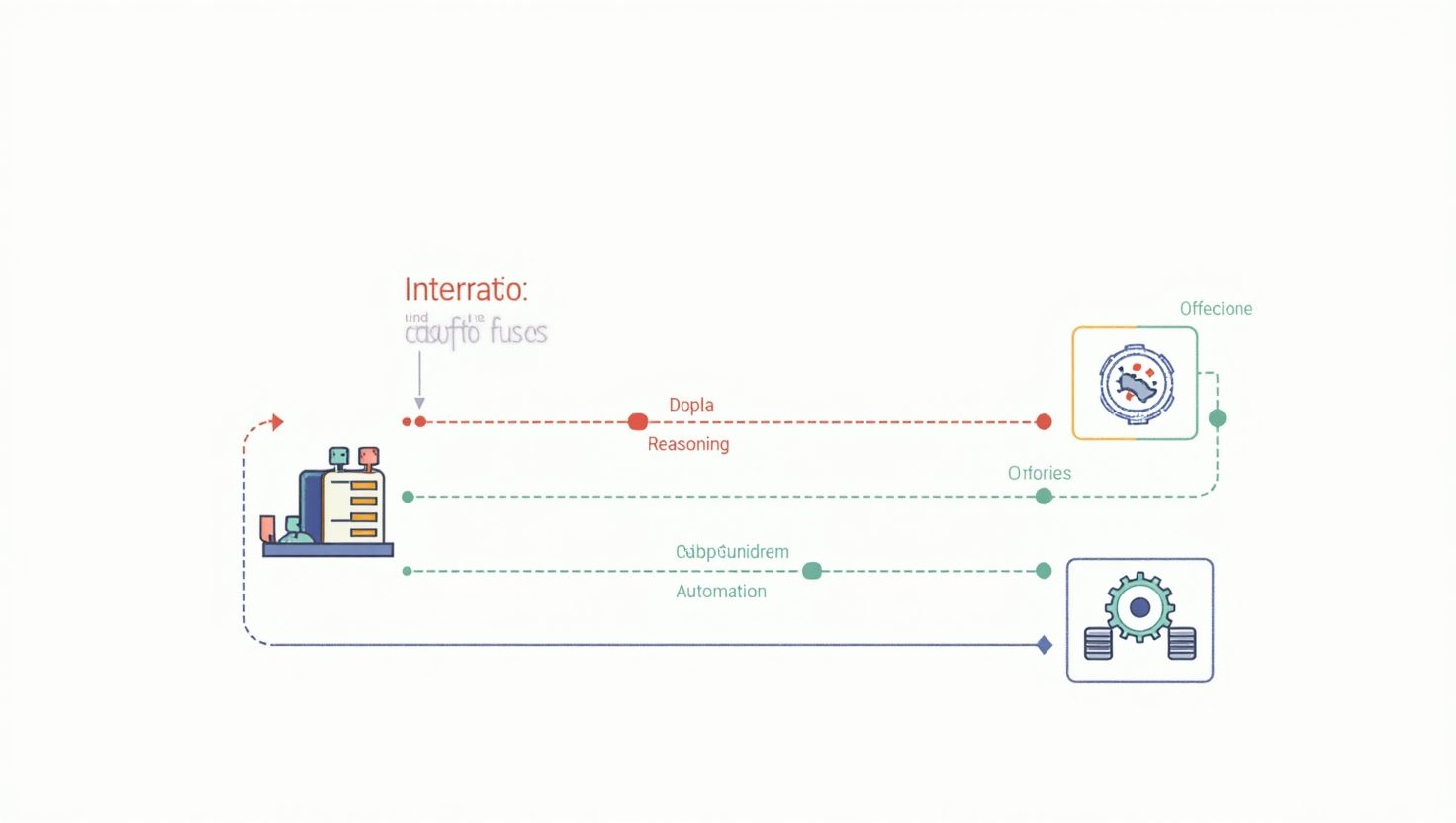
Ensemble is pioneering a distinctive approach to agentic AI in healthcare by seamlessly integrating Large Language Models (LLMs) with neuro-symbolic AI. This innovative combination enhances clinical reasoning capabilities and streamlines operational automation. The incorporation of neuro-symbolic systems allows LLMs to not just function as isolated models but to develop memory and reasoning capabilities that enable them to interact dynamically with external tools. This results in AI systems that can effectively interpret complex medical data, adhere to medical protocols, and provide accurate diagnostics and personalized treatment plans tailored to individual patient needs. Furthermore, Ensemble’s systems automate routine health administrative tasks, such as claims processing and data management, thereby increasing overall operational efficiency. The enhanced AI capabilities reduce manual oversight, allowing healthcare professionals to devote more time to direct patient care. In conclusion, Ensemble’s unique combination of LLMs and neuro-symbolic AI significantly revolutionizes clinical reasoning and operational processes within healthcare, leading to improved patient outcomes and optimized healthcare functions.
Impact of AI on Operational Efficiency
Agentic AI has dramatically enhanced operational efficiency within healthcare environments. By streamlining processes, it significantly improves patient interactions. For instance, healthcare providers can reduce the time required to address patient inquiries by a remarkable 35%, leading to shorter patient call durations.
This optimization not only frees up resources but also allows healthcare professionals to focus more on patient care rather than administrative tasks.
Moreover, the application of agentic AI fosters improvements in patient satisfaction. Statistics reveal that the one-call resolution strategy, facilitated by advanced AI systems, has led to a 15% increase in patient satisfaction scores. Patients benefit from quicker responses and solutions to their problems.
Patient Testimonials
Here are some powerful testimonials that illustrate the impact of AI on patient care and operational efficiency:
-
Lucile Packard Children’s Hospital
- “Patient satisfaction scores shot up 18% just two months after implementing AI-driven software which improved operational metrics significantly.” (Becker’s Hospital Review)
-
Mercy Health System
- “Through artificial intelligence, we improved patient throughput and satisfaction in our emergency department, decreasing the number of patients who leave without treatment dramatically.” (Becker’s Hospital Review)
-
Dr. Michelle Thompson
- “AI has allowed me, as a physician, to be 100% present for my patients, enhancing both my efficiency and focus during consultations.” (AI in Healthcare)
These testimonials showcase the tangible benefits and emotional resonance of AI’s integration into healthcare operations. They underline how AI is not just about metrics; it is about real people experiencing improvements in their healthcare journey.
These statistics and voices underline the essential role that AI plays in reshaping operational workflows in healthcare. By enhancing responsiveness and satisfaction, agentic AI becomes a pivotal factor in driving the efficiency of healthcare operations. As agentic AI continues to evolve, maintaining this trajectory of operational efficiency is crucial for the ongoing improvement of healthcare services and patient outcomes.
| Metric | Traditional Operations | AI-Enhanced Operations | Improvement |
|---|---|---|---|
| Denial Overturn Rate | 60% | 75% | +15% |
| Patient Satisfaction Score | 70% | 85% | +15% |
| Call Duration (Minutes) | 10 | 6.5 | -3.5 |
Challenges of AI Adoption in Healthcare
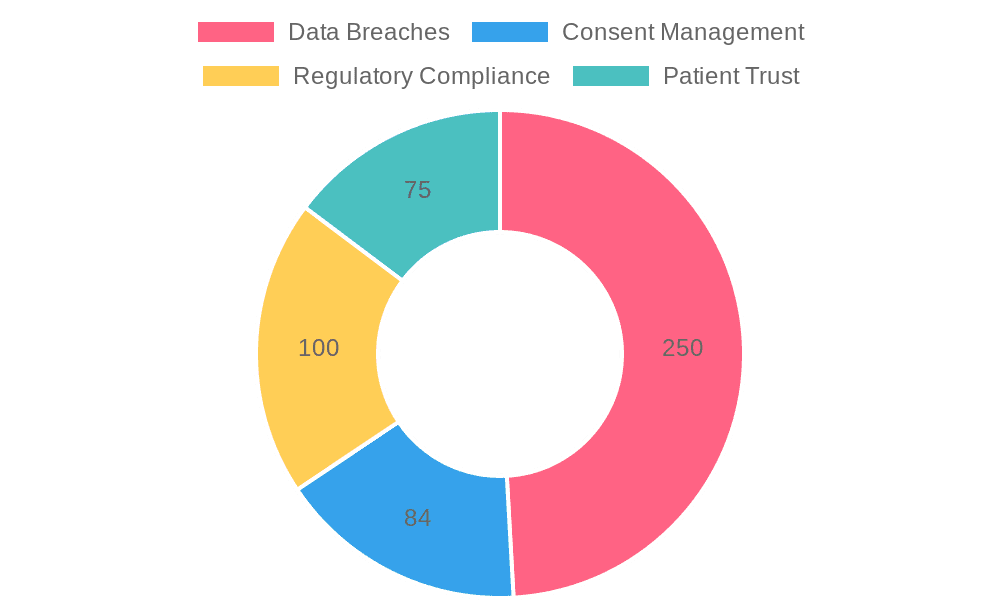
The integration of agentic AI into healthcare presents a myriad of challenges that stakeholders must navigate to ensure successful deployment. One of the most pressing concerns is the complexity of technologies like large language models (LLMs) and neuro-symbolic AI. These systems require advanced understanding and training for healthcare professionals, which can be a barrier to quick adoption. Furthermore, there is apprehension regarding data privacy and security. Healthcare organizations handle sensitive patient information, and the introduction of AI systems amplifies the need for robust cybersecurity measures to protect this data.
As organizations strive for seamless integration of AI technologies, the imperative for rigorous testing emerges. The quote, “The AI path forward in health care demands rigor, responsibility, and real-world impact,” underscores the need for methodical approaches to testing and deploying AI solutions. Organizations must assess not only the algorithms but also their computational biases and potential impacts on patient care.
Regulatory compliance is yet another challenge. Healthcare is heavily regulated, and any AI application must meet the stringent guidelines laid out by governing bodies. Ensuring that AI systems adhere to these regulations can prove to be a complex and time-consuming endeavor.
Moreover, fostering a culture of trust among healthcare professionals is vital. The effectiveness of agentic AI hinges on buy-in from staff who may be skeptical of machine-driven decision-making. Continuous training, transparency in AI processes, and active involvement of healthcare professionals in the development phase can help demystify these technologies and build confidence in their use.
Lastly, potential pitfalls include exacerbating disparities by unintentionally creating access barriers for certain populations. AI systems that fail to account for a diverse range of patient profiles can lead to inequitable health outcomes.
In conclusion, while the adoption of agentic AI in healthcare promises to transform operational efficiencies, it is crucial to address these challenges thoughtfully. A careful approach will allow the healthcare sector to harness the benefits of AI while safeguarding patient welfare and ensuring ethical use of technology.
Case Studies of Agentic AI in Healthcare
Agentic AI has delivered remarkable results across various healthcare settings, proving its value through numerous case studies. Here are some noteworthy examples that highlight its impact on patient care and operational efficiency:
-
Memorial Health
- Implementation: Integrated AI in patient outreach and appointment management using IBM’s Watson Health.
- Outcomes: Achieved a 78% increase in patient engagement, a 25% reduction in missed appointments, and a 15% boost in patient satisfaction ratings.
- Key Insight: Personalization of care plans enhanced clinical workflows leading to improved overall patient experiences.
-
Cleveland Clinic
- Implementation: Deployed an AI-driven appointment management system for booking and reminders via SMS and web.
- Outcomes: Realized a 38% reduction in no-show rates and a 30% improvement in scheduling efficiency, allowing 24/7 appointment capabilities.
- Key Insight: Automation facilitated enhanced communication, optimizing resource utilization and improving patient satisfaction.
-
Mayo Clinic
- Implementation: Developed an AI model for early disease prediction analyzing patient data and genetic markers.
- Outcomes: Faster disease detection improved by 30%, significantly contributing to patient survival and reducing unnecessary testing costs.
- Key Insight: Early detection through AI provided timely interventions, enhancing patient care outcomes.
-
WellSky
- Implementation: Implemented an AI voice agent to confirm appointments before home nurse visits, enhancing patient communication.
- Outcomes: Supported a reduction in no-show rates and continuity of care while saving time and costs for healthcare providers.
- Key Insight: Consistent communication through voice agents ensured better patient engagement and operational efficiency.
-
Lumeris
- Implementation: Introduced “Tom,” an AI-driven team member to support primary care services for scheduling and monitoring adherence.
- Outcomes: Resulted in reduced hospital readmissions and enhanced patient recovery monitoring.
- Key Insight: The integration of AI into clinical workflows addressed gaps in care and increased accessibility to services.
These examples emphasize that the effective implementation of agentic AI not only improves operational efficiency but also significantly enhances patient engagement, satisfaction, and overall care outcomes.
Citations:
- Industry-Specific Applications of Agentic AI in GTM: Success Stories from Healthcare, Finance, and E-commerce – SuperAGI
- How AI Agents Are Driving ROI: 5 Useful Case Studies from the Real World – Medium
- Case Studies: Successful Agentic AI Implementations Across Industries – quantackle
- Agentic AI in Healthcare: Applications, Use Cases & Implementation – Folio3
- Exploring the Impact of Agentic AI on Healthcare – ema.co

