


—
AI Actors: The Uncanny New Cast Members
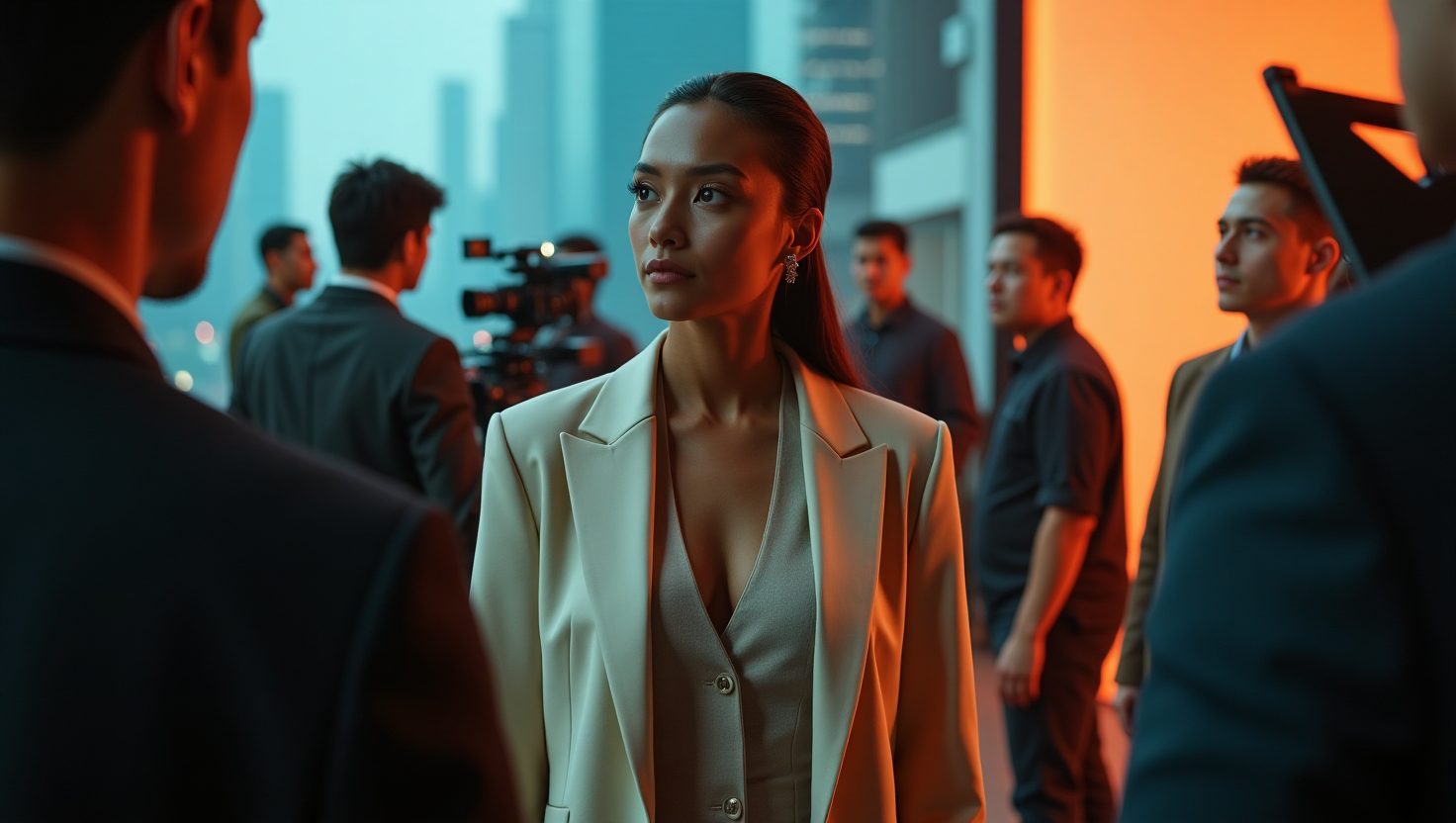
Synthetic actors like Tilly aren’t plucked from drama school auditions. They’re built pixel-by-pixel using machine learning models trained on hours of human performances. Companies like Xicoia, Particle6’s LA-based studio, feed these algorithms footage of real actors—smiles, frowns, the tilt of a head mid-monologue—then generate characters who never need lunch breaks or bathroom stops.
What’s striking about Tilly isn’t just her technical polish (though Van der Velden insists she’s “pure experimental art”). It’s her deliberate design: a young, conventionally attractive woman pieced together from the facial features and vocal patterns of real performers. Imagine autotune, but for acting—a veneer of humanity buffed to algorithmic perfection. Critics argue this reduces artistry to a spreadsheet exercise: input data, output “emotion”.
—
SAG-AFTRA’s Red Alert: “Synthetic Performers” and Stripped Livelihoods
The backlash hit hard and fast. SAG-AFTRA, representing 160,000 entertainment professionals, slammed Tilly as a “synthetic performer” built on “stolen labour”. Their concerns aren’t abstract: Hollywood’s recent strikes already wrestled with studios pushing for AI extras that could replicate background actors indefinitely. But Tilly targets lead roles. As actor Mara Wilson put it: “Why hire a human with boundaries when you can code a star who never says no?”
Emily Blunt’s reaction crystallised the dread: “No, are you serious? That’s an AI? Good Lord, we’re screwed… Please stop taking away our human connection.” There’s irony here: Tilly’s creators used composite features of actors like Blunt and Eiza González without their consent. Chelsea Edmundson, co-founder of the Creative Arts Cooperative, spotlights the gendered angle: “Of course the first major AI actor is a young woman they can fully control. The industry’s old fantasies dressed up as innovation.”
—
Who Owns a Face? The Ethics of Digital Doppelgängers
At the heart of this is a question Hollywood prefers to sidestep: who profits when AI mines human creativity? Particle6 claims ethical high ground by using public domain footage, but the line blurs fast. If an AI’s mannerisms echo Meryl Streep’s early indie roles, is that homage or theft? And what happens when these tools democratise beyond studios?
Consider music’s Napster era: AI could trigger a similar copyright free-for-all, but with faces and gestures instead of guitar riffs. The stakes are higher, though. Unlike pirated songs, an actor’s likeness isn’t just intellectual property—it’s identity. Van der Velden argues synthetic actors belong to a “new genre”, but that’s cold comfort to performers watching their craft become training data.
—
Creative Control vs. Corporate Convenience
Proponents pitch AI actors as tools for indie filmmakers who can’t afford A-listers. But there’s a darker read: synthetic performers let studios bypass unions, royalties, and inconvenient demands for safer sets. What’s the endgame? A future where Marvel hires an AI Chris Evans, tweaked to studio specifications, while the real Evans ages out of superhero roles.
This isn’t hypothetical. China’s state-backed studios already deploy AI newscasters and influencers. In the West, gaming and advertising are quietly adopting synthetic voices and faces. The worry isn’t just job loss—it’s the erosion of creative negotiation. Human actors bring unpredictability; AI offers compliance. As Edmundson notes: “You can’t unionise a line of code.”
—
Hybrid Futures—Or a Race to the Bottom?
Some industry leaders advocate for “hybrid” performances—think Anthony Hopkins’ AI-assisted monologues in Zero Contact. But Hopkins’ gravitas offsets the tech’s creepiness. Would a synthetic actor resonate if we know there’s no soul behind the eyes?
The answer might not matter. Streaming platforms, squeezed by content demands, could flood catalogs with AI-generated dramas starring ageless, scandal-proof leads. Cheap, fast, and endlessly bingeable. Meanwhile, human actors get relegated to niche indie projects—the vinyl records of visual media.
—
Rewriting the Script: Artistry or Automation?
Tilly Norwood isn’t just a technical marvel—she’s a referendum on what we value in storytelling. Do we want performances shaped by lived experience, or ones engineered to minimise friction?
Van der Velden insists AI art should be judged on its own terms. But until studios commit to transparency (Who trained the models? Who profits?), synthetic actors feel less like innovation and more like extraction. Hollywood’s real challenge isn’t building better algorithms. It’s deciding whether creativity can survive its own automation.
What do you think? Could AI actors coexist with humans—or are we scripting the death of authentic artistry?
Explore the original controversy around Tilly Norwood here.

